
Muscle Recovery Tips: Improving Muscle Recovery After Exercise
After a good workout, your body deserves some tender loving care. Muscle recovery is essential not only to reduce soreness but also to help you get stronger and feel better. I want to share some practical, easy-to-follow muscle recovery tips that can make a real difference in how you feel after exercise. Whether you’re hitting the gym hard or just staying active, these ideas will help you bounce back faster and enjoy your wellness journey.
Why Muscle Recovery Matters and Simple Muscle Recovery Tips
Muscle recovery is the process your body goes through to repair and strengthen muscle fibers after they’ve been stressed during exercise. Without proper recovery, you might feel tired, sore, or even risk injury. That’s why it’s so important to give your muscles the care they need.
Here are some muscle recovery tips that I find really helpful:
Hydrate well: Drinking plenty of water flushes out toxins and helps muscles repair.
Eat protein-rich foods: Protein provides the building blocks your muscles need to rebuild.
Get enough sleep: Sleep is when your body does most of its healing.
Stretch gently: Light stretching can reduce stiffness and improve circulation.
Use heat or cold therapy: Ice packs can reduce inflammation, while heat can relax tight muscles.
Try massage therapy: A good massage can increase blood flow and ease muscle tension.
These simple steps can make your recovery smoother and more enjoyable. Remember, recovery is just as important as the workout itself.

How Long Does It Take to Rebuild Muscle?
One question I often hear is, "How long does it take to rebuild muscle?" The answer depends on several factors like the intensity of your workout, your age, nutrition, and overall health. Generally, muscle repair starts within hours after exercise and can continue for up to 48 hours or more.
For beginners or after very intense workouts, soreness and repair might last longer. For regular exercisers, muscles adapt faster, and recovery times shorten. It’s important to listen to your body and avoid pushing through pain.
Here’s a rough timeline to keep in mind:
Immediate phase (0-6 hours): Muscle fibers begin repairing, and inflammation starts.
Early recovery (6-24 hours): Protein synthesis increases, and soreness may peak.
Late recovery (24-48 hours): Muscles rebuild stronger, and soreness fades.
Full recovery (48+ hours): Muscles are ready for the next workout.
Taking care during this time with rest, nutrition, and gentle movement can speed up the process and keep you feeling great.
Practical Ways to Support Muscle Recovery
Now that you know why recovery is important and how long it takes, let’s talk about practical ways to support your muscles after exercise. These methods are easy to incorporate into your daily routine and can make a big difference.
Nutrition for Recovery
Eating the right foods after a workout fuels your muscles. Focus on:
Lean proteins like chicken, fish, tofu, or legumes.
Complex carbohydrates such as sweet potatoes, brown rice, or quinoa.
Healthy fats from avocados, nuts, and olive oil.
Antioxidant-rich fruits and vegetables to reduce inflammation.
Try to eat a balanced meal within 30 to 60 minutes after exercising to maximize recovery.
Rest and Sleep
Never underestimate the power of rest. Your muscles rebuild and grow stronger while you sleep. Aim for 7-9 hours of quality sleep each night. Creating a relaxing bedtime routine can help you fall asleep faster and enjoy deeper rest.
Gentle Movement and Stretching
Light activities like walking, yoga, or gentle stretching can increase blood flow and reduce stiffness. Avoid intense workouts on recovery days to give your muscles a break.
Massage and Bodywork
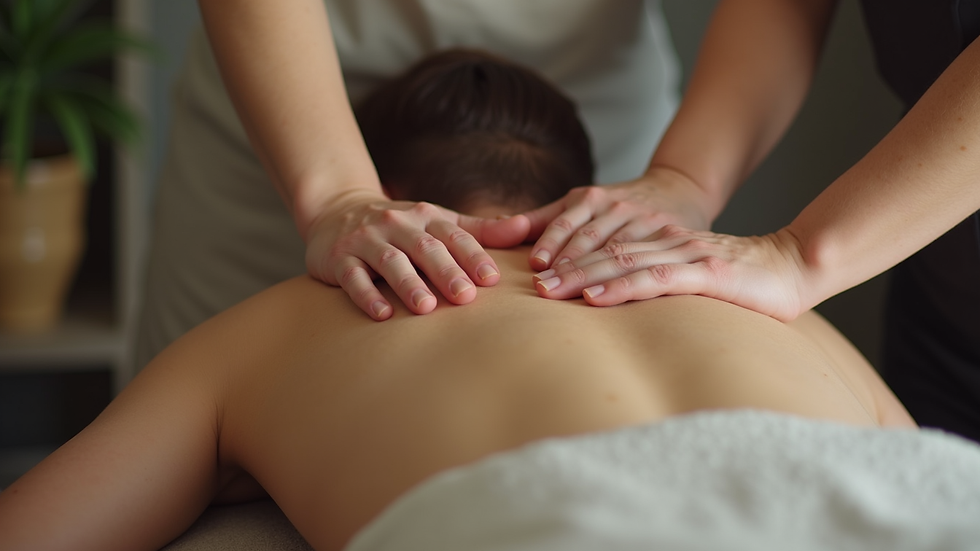
Massage therapy is a wonderful way to relieve muscle tension and promote circulation. Whether it’s a professional massage or self-massage with a foam roller, this can help reduce soreness and speed healing.
How to Improve Muscle Recovery with Consistency and Care
If you want to know how to improve muscle recovery, the key is consistency and listening to your body. Recovery isn’t a one-time thing; it’s part of your overall wellness routine. Here are some tips to keep in mind:
Plan rest days: Schedule days off from intense exercise to let your muscles heal.
Stay hydrated throughout the day: Don’t wait until you’re thirsty.
Incorporate recovery techniques regularly: Use heat, cold, stretching, or massage as needed.
Adjust workouts based on how you feel: If you’re sore or tired, opt for lighter activity.
Manage stress: High stress can slow recovery, so find ways to relax and unwind.
By making these habits part of your lifestyle, you’ll notice better energy, less soreness, and improved performance.
Embracing Holistic Wellness for Muscle Recovery
Muscle recovery is more than just physical repair. It’s about nurturing your whole self - body, mind, and spirit. When you approach recovery with a holistic mindset, you create a foundation for lasting wellness.
Consider adding these practices to your routine:
Mindful breathing or meditation to reduce stress and promote relaxation.
Warm baths or Epsom salt soaks to soothe muscles and calm the nervous system.
Balanced daily movement that includes strength, flexibility, and cardio.
Professional bodywork sessions to address specific muscle tension and promote healing.
Taking time to care for yourself in these ways supports not only your muscles but your overall well-being. It’s a gentle reminder that recovery is a gift you give yourself.
I hope these muscle recovery tips inspire you to treat your body with kindness and care after every workout. Remember, recovery is where the magic happens - it’s how your muscles grow stronger and how you feel your best. If you want to explore more about how to improve muscle recovery, there are plenty of resources and expert advice waiting for you.
Take it one step at a time, listen to your body, and enjoy the journey to feeling refreshed, relaxed, and rejuvenated. Your muscles - and your whole self - will thank you.


Comments